What is Polyester Fabric? Properties, Uses, and Care Tips
Polyester Fabric: A Comprehensive Guide to Its Uses, Benefits, and Care
Polyester fabric is one of the most widely used materials in the fashion and textile industry today. Unlike natural fabrics such as cotton, wool, or silk, polyester is a synthetic material produced in factories. Despite its artificial origins, it has gained immense popularity due to its unique properties, affordability, and versatility. In this article, we’ll explore the history, composition, advantages, disadvantages, and uses of polyester fabric, along with tips on how to care for it.
A Brief History of Polyester Fabric
Scientists in England invented polyester fabric in 1940. It gained significant popularity in the 1970s when an advertisement claimed that polyester clothing could remain stylish and wrinkle-free for 68 days without ironing. During this time, polyester became a staple in fashion, and many disco outfits featured this material.
What is Polyester Made Of?
Polyester comes from synthetic polymers, which are essentially petroleum-based products. In fact, polyester is a type of plastic. Did you know that manufacturers also use polyester to make PET bottles? They can recycle these bottles into polyester yarn (polyester fiber), which they then weave into fabric.
Why is Polyester Fabric So Popular?
People often use polyester fabric in clothing, home textiles, and even industrial applications. Manufacturers frequently blend it with natural fibers like cotton or wool. If you check the labels on your clothes, you might notice phrases like “70% cotton, 30% polyester.” This blend reduces wrinkling and adds flexibility to natural fabrics.
Advantages of Polyester Fabric
- Durability: Polyester is strong, shiny, and lightweight.
- Quick-Drying: It dries easily, making it ideal for outerwear.
- Wrinkle-Resistant: It retains its shape and doesn’t require ironing.
- Soft Texture: It has a smooth, silky feel.
- Easy Maintenance: You can machine wash it, and it doesn’t require dry cleaning.
- Stain-Resistant: Polyester repels stains and maintains its color after washing.
- Insect-Resistant: Moths, mold, or fungus don’t affect it.
- Affordable: Polyester costs less than many natural fabrics.
Disadvantages of Polyester Fabric
- Breathability: Polyester doesn’t allow air to pass through, making it uncomfortable in hot weather.
- Static Electricity: It can generate static, causing discomfort or even mood changes.
- Skin Sensitivity: Some people may experience allergies or skin irritation.
- Flammability: Polyester is highly flammable, so keep it away from fire.
Where is Polyester Fabric Used?
People widely use polyester in:
- Sportswear: Due to its quick-drying and flexible properties.
- Outerwear: Coats, jackets, and raincoats.
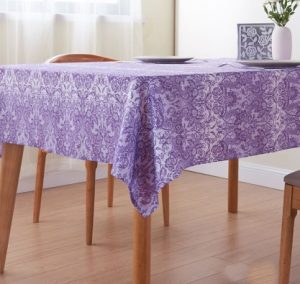
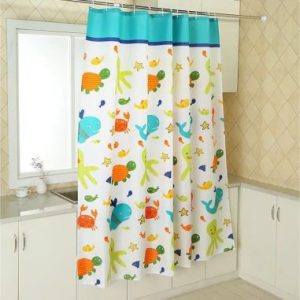
- Home Textiles: Curtains, bedspreads, and sleeping bags.
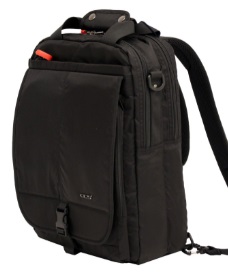
- Accessories: Bags, shoes, and suitcases.
- Industrial Applications: Tents, ropes, and sewing threads.



Polyester Blends: The Best of Both Worlds
To address some of its drawbacks, manufacturers often blend polyester with natural fibers like cotton, wool, or silk. For example, a blend of polyester and cotton is called polycotton. This combination offers the durability of polyester and the comfort of natural fabrics.
Health Considerations
While polyester is convenient, it may not be the healthiest option for certain uses. For example:
- Bed Linens: Opt for 100% cotton for better breathability and comfort during sleep.
- Baby Products: Choose natural fabrics for baby clothing to avoid skin irritation.
How to Care for Polyester Fabric
Polyester is easy to maintain:
- Washing: Machine wash it in warm water.
- Drying: Remove it promptly after washing and drying to prevent wrinkles.
- Ironing: Use a low-temperature setting if needed.
- Dry Cleaning: You can dry clean certain polyester items, but it’s optional.
Conclusion
Polyester fabric is a versatile and cost-effective material with numerous advantages, from durability to easy maintenance. However, it’s essential to consider its drawbacks, such as lack of breathability and potential skin sensitivity. By blending polyester with natural fibers, you can enjoy the best of both worlds.
If you’re looking for durable, easy-to-care-for fabrics, polyester is an excellent choice. However, for items like bed linens or baby clothing, natural fabrics like cotton may be a healthier option.


Thanks for informations.
[…] this kind of fabric made with synthetic substances. Actually, It can be cotton, synthetic such as polyester, linen, woolen, silky or any […]
[…] has some kinds that mixed with cotton, mixed with polyester or plain viscose. Polyester mixed one is called as polyviscose fabric. Polyviscose (Poly Rayon) fabric contains 80% polyester […]