Poplin Fabric Properties, What is Poplin?
Poplin Fabric: A Versatile and Timeless Textile
Poplin is a classic textile known for its tight weave, smooth texture, and versatility. Originating from the French word “papeline,” manufacturers initially made it from silk yarns. Today, people commonly associate it with 100% cotton, though it can also include blends of polyester, silk, or rayon. In essence, poplin is a tight and regularly woven fabric made with fine yarns, offering a perfect balance of durability and comfort.
What Makes This Fabric Unique?
Poplin stands out for its breathability and adaptability, making it suitable for both summer and winter wear. Here are some of its standout features:
- Breathable: It allows air to pass through, keeping you cool in summer.
- Moisture-Wicking: The fabric absorbs sweat and prevents discomfort.
- Lightweight: Its soft texture ensures comfort for all-day wear.
- Warmth: Despite its thinness, the tight weave provides warmth in cooler weather.
- Easy to Iron: Although it creases easily, you can iron it quickly.
- Versatile: It comes in a wide range of colors and patterns, making it a favorite for stylish designs.
Where is Poplin Fabric Used?
Poplin fabric has been popular since its inception and is used in a variety of applications:
1. Clothing
- Women’s Dresses: Designers love it for its stylish appearance, making it a go-to fabric for elegant dresses.
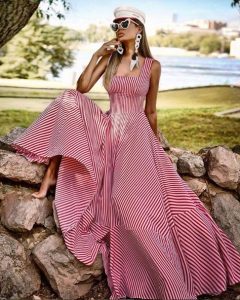
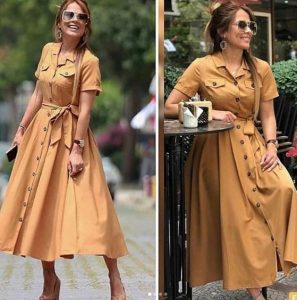
- Shirts and Tunics: Its smooth texture works well for both formal and casual shirts.
- Trousers and Coats: Thicker variants are ideal for tailored trousers and lightweight coats.
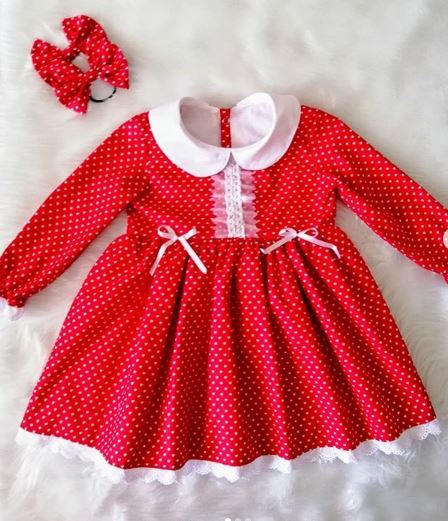
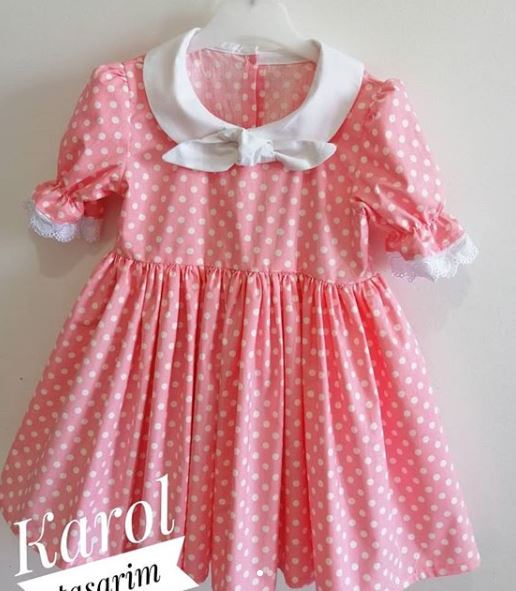
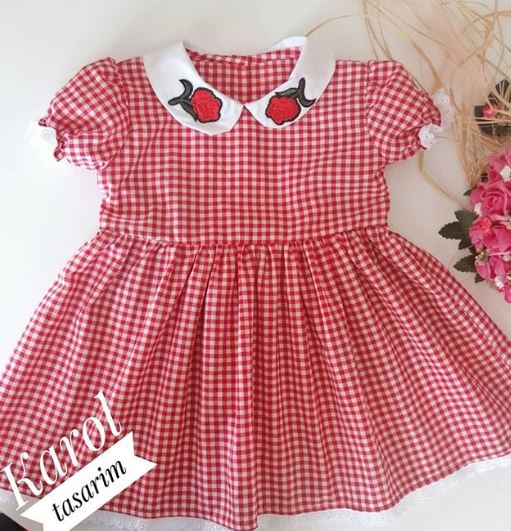
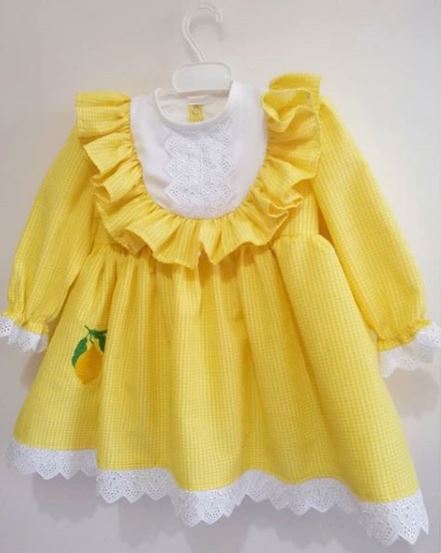
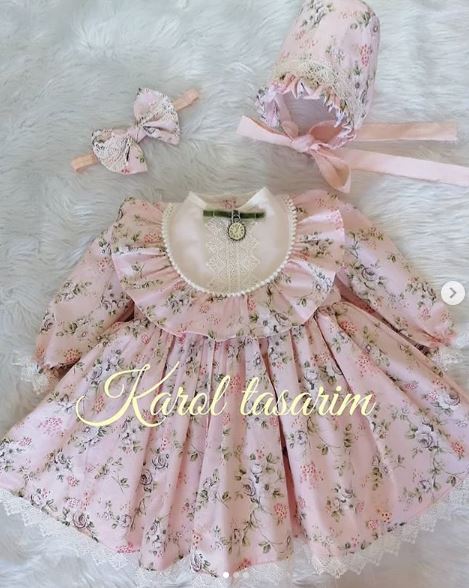
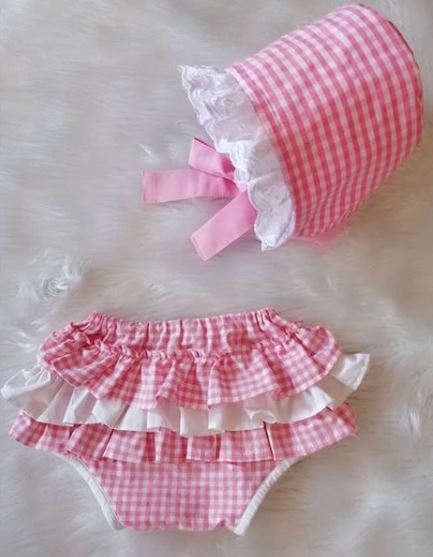
- Baby Clothing: Poplin is a popular choice for baby dresses and linens due to its softness and breathability.
2. Home Furnishings
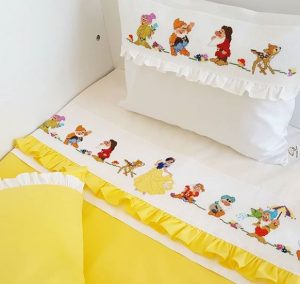
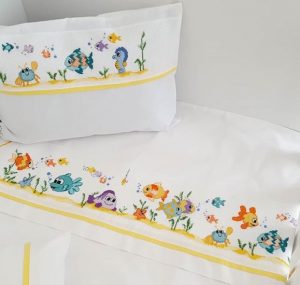
- Bed Linens: People use it for bed sheets and pillowcases because of its comfort and durability.
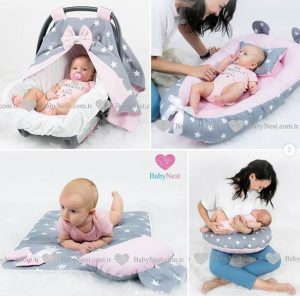
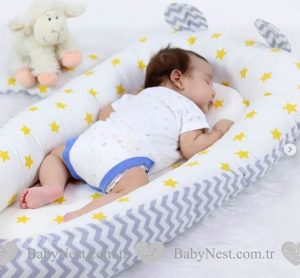
- Baby Products: Ideal for baby nests, car seat covers, and breastfeeding aprons.
- Patchwork and Embroidery: Its smooth texture makes it perfect for handicrafts and decorative projects.
3. Historical Uses
- In the 15th century, people preferred it for winter clothing.
- In the 19th century, it gained popularity as an upholstery fabric.
How to Sew with Poplin Fabric
Poplin is a beginner-friendly fabric due to its soft texture and ease of handling. Here are some tips for sewing with poplin:
- Pre-Wash and Iron: Always wash and iron the fabric before cutting to prevent shrinkage.
- Use Sharp Tools: Ensure your scissors and needles are sharp for clean cuts and stitches.
- Choose the Right Thread: Use high-quality thread to match the fabric’s durability.
How to Wash and Care for Poplin Fabric
Proper care ensures the longevity of poplin fabric. Follow these steps:
- Check the Label: Always adhere to the washing instructions on the product label.
- Washing: Most poplin fabrics can be washed at temperatures up to 60°C.
- Ironing: For best results, iron the fabric while it is slightly damp. Start with the backside, then move to the front.
- Drying: Air-dry or tumble dry on a low setting to maintain the fabric’s quality.
Why Choose Poplin Fabric?
Poplin fabric is a timeless choice for both fashion and home textiles. Its combination of durability, comfort, and elegance makes it a favorite among designers and consumers alike. Whether you’re looking for a stylish dress, a comfortable shirt, or soft baby linens, poplin is a versatile and reliable option.
Conclusion
Poplin fabric’s unique blend of tight weaving, breathability, and softness has made it a staple in the textile industry. From clothing to home furnishings, its versatility and ease of care make it a practical and stylish choice. Whether you’re sewing a new outfit or decorating your home, poplin fabric offers endless possibilities.


