Cross-Stitch Embroidery: Essential Tips & Techniques for Perfect Stitches
Cross-stitch for beginners is a beautiful and practical form of needlework that requires patience and precision. Although it may seem easy at first glance, achieving a neat and professional look depends on several key factors. The way each stitch is made, the type of thread and needle used, and the level of tension applied all influence the final appearance of the design. Whether you’re just starting or looking to improve, understanding these basics will help you create stunning embroidery projects.
Essential Tips for Cross-Stitch Embroidery for Beginners
1. Choosing the Right Fabric
Before starting your cross-stitch project, selecting the appropriate fabric is crucial. The type of fabric you choose should match the complexity and size of your design.
2. Selecting the Right Pattern
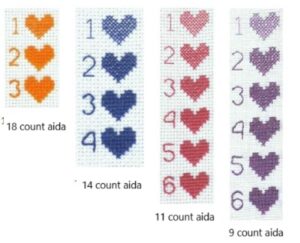
When choosing a pattern, consider the fabric count. A higher count results in a finer and more detailed design, while a lower count makes the stitches more visible and the pattern larger.
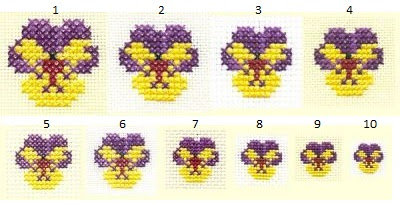
Different fabric counts affect the final size of the pattern. For instance, the same design stitched on various fabric counts will produce different sizes. Look at the picture to see the size of the same pattern on different count fabrics..
- 11-count Aida
- 12-count Aida
- 14-count Aida
- 28-count evenweave (stitched over two threads)
- 18-count Aida
- 36-count Aida (stitched over two threads)
- 22-count linen
- 25-count evenweave (stitched over one thread)
- 28-count evenweave (stitched over one thread)
- 36-count linen (stitched over one thread)
3. Picking the Best Embroidery Thread
Cross-stitch embroidery commonly uses mouline thread or other embroidery floss. The number of strands used should complement the fabric type. There is no strict rule for this; it depends on personal preference and the effect you want to achieve.
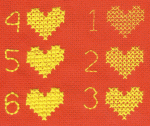
Using more strands creates a more vivid design, while fewer strands produce a delicate and detailed look. Additionally, the color of the fabric can impact thread selection. As the number of strands increases, the pattern becomes more pronounced, but too many strands can cause overcrowding and distort the design.
4. Choosing the Right Needle
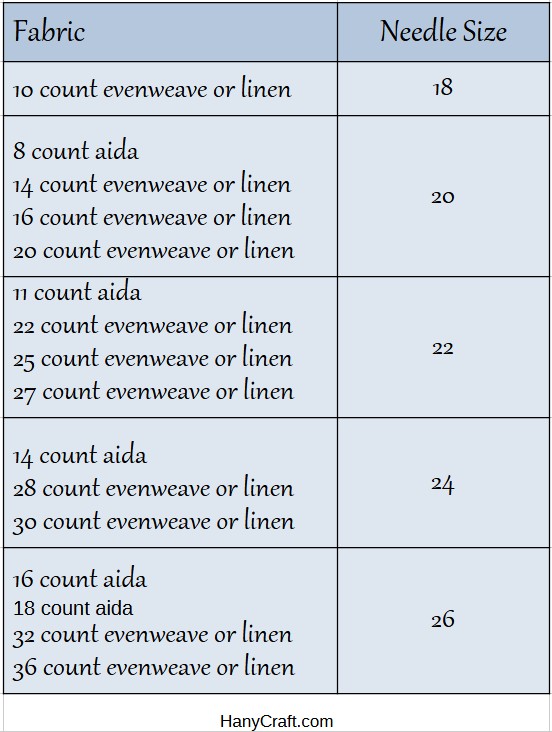
Cross-stitch needles have a blunt tip and a wide eye for threading. The blunt tip prevents damage to the fabric, while the wide eye accommodates multiple strands of thread.
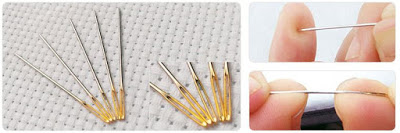
Selecting the appropriate needle is essential for smooth stitching.
- For loosely woven fabrics, use a larger needle to easily pass the thread through.
- For tightly woven fabrics, opt for a finer needle to avoid distorting the weave.
Important Tips for Cross-Stitching
Once you have gathered the necessary materials, here are some important tips to ensure a flawless cross-stitch project:
- Check for color bleeding: Even high-quality threads can sometimes bleed. Before starting, wet the thread and rub it on a white cloth to check for any dye transfer.
- Start from the center: To ensure symmetry, find the center of your fabric and design, then begin stitching from that point.
- Avoid knots: Instead of tying knots, leave a short tail of thread and secure it under nearby stitches to maintain a smooth backside.


- Maintain stitch direction: Keep all stitches facing the same direction to achieve a uniform and professional finish.
- Use short lengths of thread: Long strands can weaken and fray as they pass through the fabric multiple times.
- Avoid excessive tension: Pulling the thread too tightly can cause the fabric to pucker, while too loose stitches can look untidy.
- Use an embroidery hoop: This helps keep the fabric taut, making stitching easier and neater.
- Wash the fabric after stitching: Washing before stitching may shrink the fabric and alter the stitch alignment.
- Iron the embroidery from the reverse side: This prevents flattening and dulling of the thread’s sheen.
- Cover the back with interfacing or lining: If the back looks messy, you can use an interfacing fabric or a lining to conceal the stitches.
Cross-stitch embroidery is a rewarding and creative hobby. By following these tips, you can achieve beautiful results while enjoying the meditative process of stitching.
Stay tuned for more updates and share your thoughts in the comments! 😊


